Showing posts with label Polish. Show all posts

Saturday, 25 July 2015

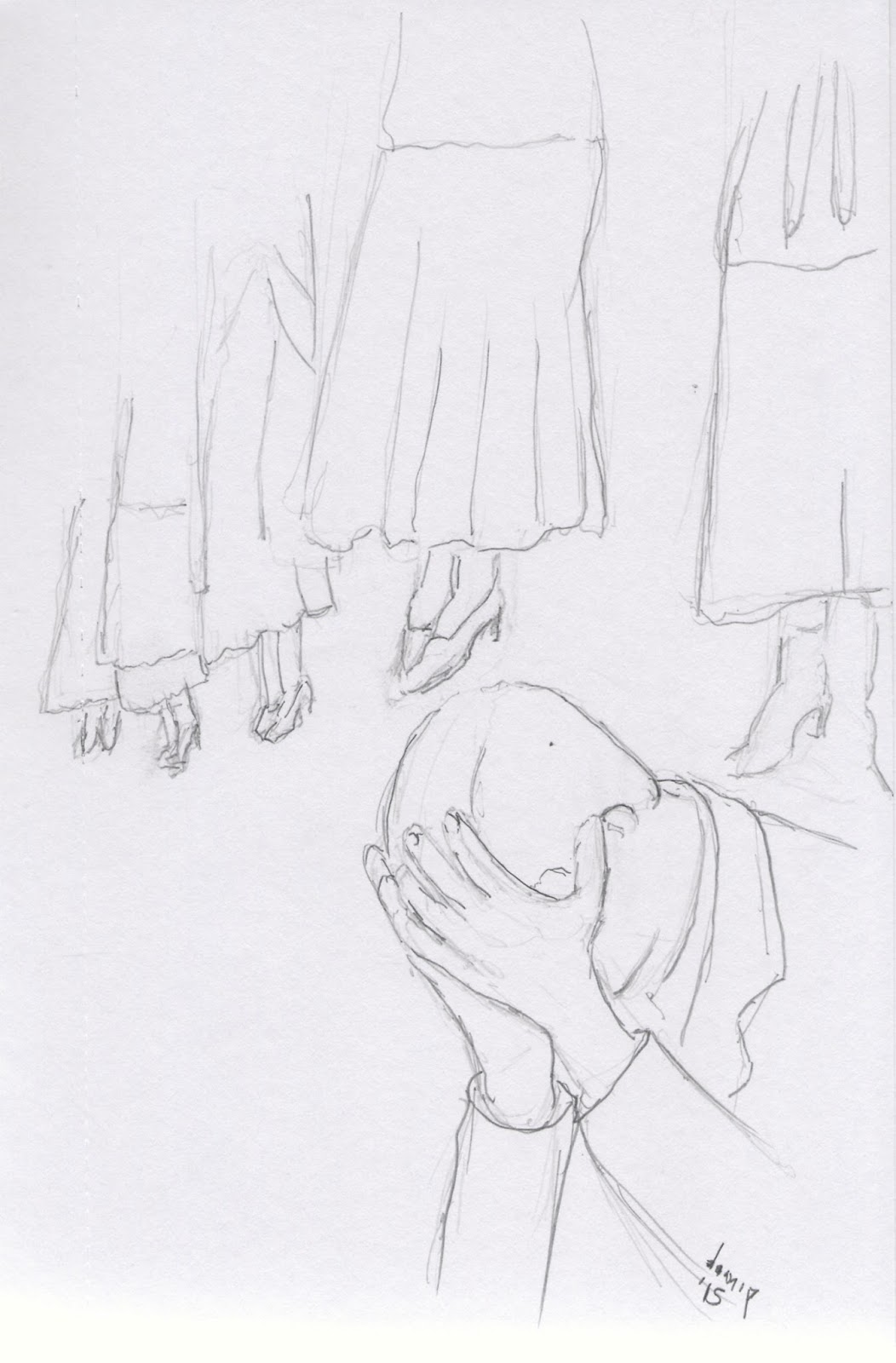
Poem ~ Aristocratic Women Hung - Sunday, 25 July 1915


Impression sketch of the hanging of aristocratic women - by Jamie. 

From Zurich was a warning -
Of no one being safe, with
A group of Polish ladies,
All of noble birth - these five
Ladies, being all well known
In Austrian aristocratic circles.

Yet such status did not serve
To save them - with details,
Not specified, in the second
Week of July 1915, the ladies
Were arrested - all on charges
Of espionage for Russia.

Retribution was swift for five
Aristocratic women, to go on
Immediate trial, then convicted
Of guilt in spying - all given
Immediate sentence of death.

Their execution to be following
Day, by hanging - this process
To be undertaken at Vienna
Arsenal. The judge was to be
Present, being compelled
To see sentence completed.

The final event, to see hangings
Of these five aristocratic ladies,
Was so harrowing to witness,
The judge was driven mad,
By the fact of his final decision.

Seen to collapse and lose
His complete reason this
Judge, conveyed to Steinlof
Outside Vienna, was placed
In an asylum for the insane.

by Jamie Mann.

Anon.,1915. Polish Ladies Hanged  - Judge Goes Mad. The Daily Telegraph, [online]  23 July. P.10. Col.7. Available at: http://www.telegraph.co.uk/news/ww1-archive/11739275/Daily-Telegraph-July-23-1915.html [Accessed: 25 July 2015].

Mann, J., 2015. 100 years Ago - Poems by Jamie Mann. [letter] (Personal communication, 25 July 2015). 


#WW1 #WW1centenary #GreatWar #WW1poem #GreatWar #WW1centenary #worldwarone #worldwaroneremembered #WW1Spies

Sunday, 22 March 2015

Poem ~ ruského pôvodu v Memel - pondelok 22 marca 1915


Boj o uliciach Memel, pri vchode Libauerstraße dňa 21. marca 1915 - skica Jamie, vychádzajúce z pôvodnej obraz, ktorý možno vidieť na: http://www.deutsche-schutzgebiete.de/memel.html

Prastarý Pruské kráľovstvo,
Stal sa obeťou hraničných hier
Etnický región, aby zahŕňala
Slovanské kmene a poľský krv -
Na západ a na východ,
Pobaltské kmene - stará éra do konca
Pod germánskych rytierov -
Potom sa zase späť do Ducal Prusko.

Pestrá krajina od Gdańsk Bay,
Cez na piesočnú Kurskej
Spit na juhovýchodnom pobreží,
Zakrivenie na pobreží Baltského mora - 

Krajiny ten videl mnoho bitiek
A spory o svojich hraníc -
Všetko musí byť posilnené Versailles
Zrkadlový sála, 1871 reformovaná
Do zjednotenia Nemecka.

V pruskom územia, kde sa
Ústa Dán rieky tečie
Do Baltského mora - sedel mesto
Memel, mesto význam -
S rôznymi obchodmi a prístavy,
Miesto chemických prác, žehlička
Zlievarne, plodiny ľanu a obilia,
A centrum Baltského obchodu reziva -
Ak chcete, aby drevo cez Nemunas
River a zasielané v oblasti obchodu.

Mesto ležal ostro sedí, na
Uhlová súčasť nemeckého územia -
Dosiahol jedinú železnicou, o
Woody močaristá, roadless krajina -
Za týmto Vilna-Liba železničná trať,
Akékoľvek pokusy v priechodoch armád
Bude čeliť problematické problémy.
Fort obrany ležal Memel
Harbour - jeden na pevnine,
Druhý na Kurische Nehrung.

V rámci svojej obvody žil trochu
Populácia 22000 - keď je v
1914 vyhlásenie vojny prišiel,
Nič viac než pár nájazdoch
Videl, ako sa Nemci prejsť
Hranice - germánsky postavený Memel,
S malou strategickú hodnotu, cítil
Nedotknutej 1914 vojnou.

Potom, čo sa pomaly bol prestavaný po
Oheň 1854, na severovýchod
Mesto Nemecka Memel - bez
Veľa dôležité - sa konala len
Tým, nešpecifikované množstvo vojakov -
Prišiel do ruskej stratégie
Invázia - do Východného Pruska
18. marca 1915 prišiel pochodovať
Rusi - vyskytujúce sa podľa smeru
Zo severu a na východe od Kuronský.

Až 10.000 vojakov namontovať
Kind prišiel - ruská milície, hranice
Vojaci, Marines a záložníci -
V obsadení hraníc pruských, bola
Nemecký Nedostatok Landsturm sily.
Nízke počty potom viedol k pádu späť
Smerom Memel, potom ešte ďalšie
Späť do mesta, as ruštine
Topánky spadol do hranice Memel je -
Na večer 18. marca 1915.

V ruskom chodníku boli ponechané pálenie
Budovy - rukojemníkov z troch mužov
A Memel starostu bola prijatá;
Civilisti ležal mŕtvy - s deťmi
a ženy občania, zachytil veľa
Boli poslané z Memel do Ruska -
Napriek tomu nemecký Landsturm sila
Ustúpil, za Kurische Haff
Out na dunách v Baltskom mori.

Cez príkazy z ich
Veliteľmi, ruskí vojaci
Stále drancovali obchody Memel
Aj civilné domovy - do krátkej
Odstúpenie, videl mesto uvoľnené -
Na jeden deň - až v nedeľu
21. marca Rusi zo severu
Re-vstúpil Memel, ktoré musia byť splnené
Novými Nemci hliadky
Juh - tlačiť späť útočníkmi.

V zachytenie Memel, pod
Ruské sily, pouličné boje
Začíname s Przemysl silami
Odrazili - do slepej uličky
O Memel pevnosti.
Rusi priniesol šok
K Prusov, ktorí sa cítili
Safe zo všetkých inváziou - akt
Z divokej ruské vedenie
Trvalo Nemcov prekvapila.

Rusi teraz obrátil na okolie
Mesto litovského Gorzhdi, pričom
V západnej prístup k pochodu
Na tejto Landsturm slabé schopnosti
A bar ich cestu - pri zachytení
Guľomety a delá,
Oni si mysleli, mesto by dvadsať hodín 18. marca.

V ústupe dvoch Landsturm
Pluky, občania sa stal
Fighter je - nepravidelný "Franc-Tireurs" -
V odstúpení od zmluvy, k ďalšiemu zastaveniu
Close-handed akty krviprelievania,
Rusi namiesto toho začal hit
Mesto s delostrelectvom - asistovanej
Tým, lode kotviace v prístave, ľudia
A utiekol do Kurische Nehrung.

Evidencia nemeckej prekvapenie,
Prišiel s varovaním Berlína,
Na ruských spojencov - tu
Bolo by odvety, do miest
Posadnutý Nemci sily -
Ale argument zostal,
To či Rusi zbúraný
Mesto, zabiť celú samca
Počet obyvateľov, budú mať
Správal sa ako Nemci urobil.

Jamie Mann.

Anon., 1915. Ruský Raid na Memel - Podrobnosti o prevrate - mesto bez škrupiny - nemeckej Franc-tireurs. The Daily Telegraph, [online] 22.března P.11. Col.1. K dispozícii na adrese: http://www.telegraph.co.uk/news/ww1-archive/11480925/Daily-Telegraph-March-22-1915.html [sprístupnené: 22.března 2015].

Source., 1915. Prusko. Wikipédia [online] Dostupné na: http://en.wikipedia.org/wiki/Prussia [sprístupnené: 21March 2015].

Mann, J., 2015. 100 rokmi - básne od Jamie Mann. [Písmeno] (osobné oznámenie 22. marca 2015).

http://www.telegraph.co.uk/news/ww1-archive/11480925/Daily-Telegraph-March-22-1915.html

http://worldwaroneblogger.blogspot.co.uk/

# # WW1 WW1centenary #GreatWar # WW1poem #GreatWar # WW1centenary #worldwarone #worldwaroneremembered # WW1Prussia # WW1Memel

Poem ~ Russian Descent on Memel - Monday, 22 March 1915


Fighting on streets of Memel, at the entrance of Libauerstraße on March 21, 1915 - sketch by Jamie, taken from an original image that can be seen at: http://www.deutsche-schutzgebiete.de/memel.html

The age-old Kingdom of Prussia,
Became a victim of border games
An ethnic region to include
Slavic tribes and Polish blood -
To the West and to the East,
Baltic tribes - an old era to end
Under a Teutonic knight order -
Then back again to Ducal Prussia.

A varied country from Gdańsk Bay,
Across to the sandy Curonian
Spit on the southeastern coast,
Curving on the Baltic Sea - lands
That had seen many battles
And disputes about its borders -
All to be consolidated by Versailles
Hall of Mirrors, of 1871 reformed
Into the Unification of Germany.

Within Prussian territory, where
The mouth of Danė River flows
To the Baltic Sea - sat the town
Of Memel, a city of significance -
With varied trades and harbours,
A place of chemical works, iron
Foundries, crops of flax and grain,
And a centre of Baltic lumber trade -
To bring timber across the Niemen
River and shipped on in commerce.

The city lay sharply seated, on an
Angled part of German territory -
Reached by a single railway, about
Woody marshy, roadless country -
Behind that Vilna-Libau rail line,
Any attempts in passages of armies
Would face problematic difficulties.
Fort defences lay across Memel
Harbour - one on the mainland,
The other on Kurische Nehrung.

Within its perimeters lived a little
Population of 22,000 - when in
1914 declaration of war came,
Nothing more than a few forays
Saw the Germans cross over
Borders - Teutonic built Memel,
Having little strategic value, felt
Untouched by the 1914 war.

Having slowly been rebuilt after
A fire of 1854, the northeasterly
City of Germany Memel - without
Much importance - was held only
By unspecified amounts of troops -
Came under a Russian strategy
Of invasion - into East Prussia
18 March 1915 came marching
Russians - appearing by direction
Of North and East from Courland.

Up to 10,000 soldiers of mounted
Kind came - Russian Militia, border
Troops, Marines and reservists -
In manning Prussia's borders, was
A German lack of Landsturm force.
Low numbers then led to a fall back
Towards Memel, then still further
Back into the city, as Russian
Boots fell into Memel's boundary -
On the evening of 18 March 1915.

In a Russian trail were left burning
Buildings - hostages of three men
And the Memel Mayor were taken;
Civilians lay dead - with children
and women citizens, captured many
Were sent from Memel to Russia -
Still the German Landsturm force
Retreated, beyond Kurische Haff
Out to the Dunes of the Baltic Sea.

Despite commands from their
Commander, Russian troops
Still plundered the Memel stores
And civilian’s homes - until a brief
Withdrawal, saw the city freed -
For one day - until on Sunday
21 March Russians from the North
Re-entered Memel, to be met
By new Germans patrols from
The south - to push back invaders.

In the capture of Memel, under
Russian forces, street fighting
Started, with Przemysl forces
Repelled - within a deadlock
About the Memel fortress.
The Russians had brought shock
To the Prussians who had felt
Safe from all invasions - an act
Of fierce Russian Leadership
That took Germans by surprise.

Russians now turned to nearby
City of Lithuanian Gorzhdi, taking
In a western approach to march
At the Landsturm's weak ability
And bar their path - in capturing
Machine guns and cannons,
They held city by 8 p.m. 18 March.

In the retreat of two Landsturm
Regiments, citizens became
Fighter’s - irregular 'Franc-Tireurs' -
In a withdrawal, to stop further
Close-handed acts of bloodshed,
Russians instead started to hit
The town with artillery - assisted
By harboured ships, the people
And fled to Kurische Nehrung.

Evidence of German surprise,
Came with Berlin's warnings,
To the Russian allies - there
Would be reprisals, to places
Possessed by Germans forces  -
Yet the argument remained,
That if Russians had razed
The town, to kill the whole male
Population, they would have
Acted as Germans had done.

by Jamie Mann.

Anon.,1915. Russian Raid on Memel - Details of the Coup - The Town Shelled - German Franc-tireurs. The Daily Telegraph, [online] 22 Mar. P.11. Col.1. Available at: http://www.telegraph.co.uk/news/ww1-archive/11480925/Daily-Telegraph-March-22-1915.html [Accessed: 22 March 2015].

Source.,1915. Prussia. Wikipedia, the free encyclopedia, [online] Available at: http://en.wikipedia.org/wiki/Prussia [Accessed: 21 March 2015].

Mann, J., 2015. 100 years Ago - Poems by Jamie Mann. [letter] (Personal communication, 22 March 2015). 


#WW1 #WW1centenary #GreatWar #WW1poem #GreatWar #WW1centenary #worldwarone #worldwaroneremembered  #WW1Prussia   #WW1Memel
Thursday, 2 October 2014

Poem ~ Diary of a German Officer - Friday, 2 October 1914

A soldier of the 2nd Seaforth Highlanders,
A Private, by name of Crow, writes home,
Enclosing for his mother a copy of a diary, 
That was gained from a German officer.

Recounted are some of the diary's entries,
With the German officer's following thoughts;
20 July - notes he feels that at last the time
Has arrived and all is ready with a challenge. 

'Come who may' that might defy his belief;
‘The world race is destined to be German.’
5 August – says that at Liege their losses 
Are terrible but not to mind, this is allowed.

As the fallen are only Polish – their spilled 
Blood, he states, is necessary to spread 
Desire for war at home. 11 August - refers 
To the English, seen as just farm fighters.

William - or Wilhelm – gives great advice,  
To his German fighters not to forget god,
But to have thoughts of their Emperor. 
The officer adds that their Majesty should
Know, in thinking of him, they think of god.

For their Emperor is the lord’s instrument, 
In this righteous fight.  A 12 August entry, 
By the officer notes how infantry is nothing -
That the war already belongs to the artillery.

20 August – he sees the English as conceited.
He recounts how the German airmen report,
How the enemy, across the frontlines, are stood,
Against the German enemy - at absurd odds.

25 August – the officer laughs in his entry
At how amid the shelling of the English guns
One of them burst over a Red Cross Wagon,
Which was full of wounded English soldiers.

He admires the English swine, that fight well, 
And how one such officer, in agony, swearing 
At the German Emperor then asks for a bath. 
He ends with fact there is little time to bury
Their own dead, so they sink them in the river.

by Jamie Mann.

Anon.,1914. German Officer’s Diary. The Daily Telegraph, [online] 2 Oct. p.8. Col.4. Available at: http://www.telegraph.co.uk/news/ww1-archive/11134175/Daily-Telegraph-October-2-1914.html [Accessed: 2nd October 2014].

Mann, J., 2014. 100 years Ago - Poems by Jamie Mann. [letter] (Personal communication, 2 October 2014). 
http://www.telegraph.co.uk/news/ww1-archive/11134175/Daily-Telegraph-October-2-1914.html

http://worldwaroneblogger.blogspot.co.uk/
#WW1 #WW1centenary #GreatWar #WW1poem #GreatWar #ww1centenary #worldwarone #worldwaroneremembered